- Dapatkan link
- X
- Aplikasi Lainnya
Deserts Biomes have harsh weather - Very hot. Students explore genetics by comparing desert plant adaptations riparian plant adaptations and a few desert plants and animals adapted to nighttime activities.
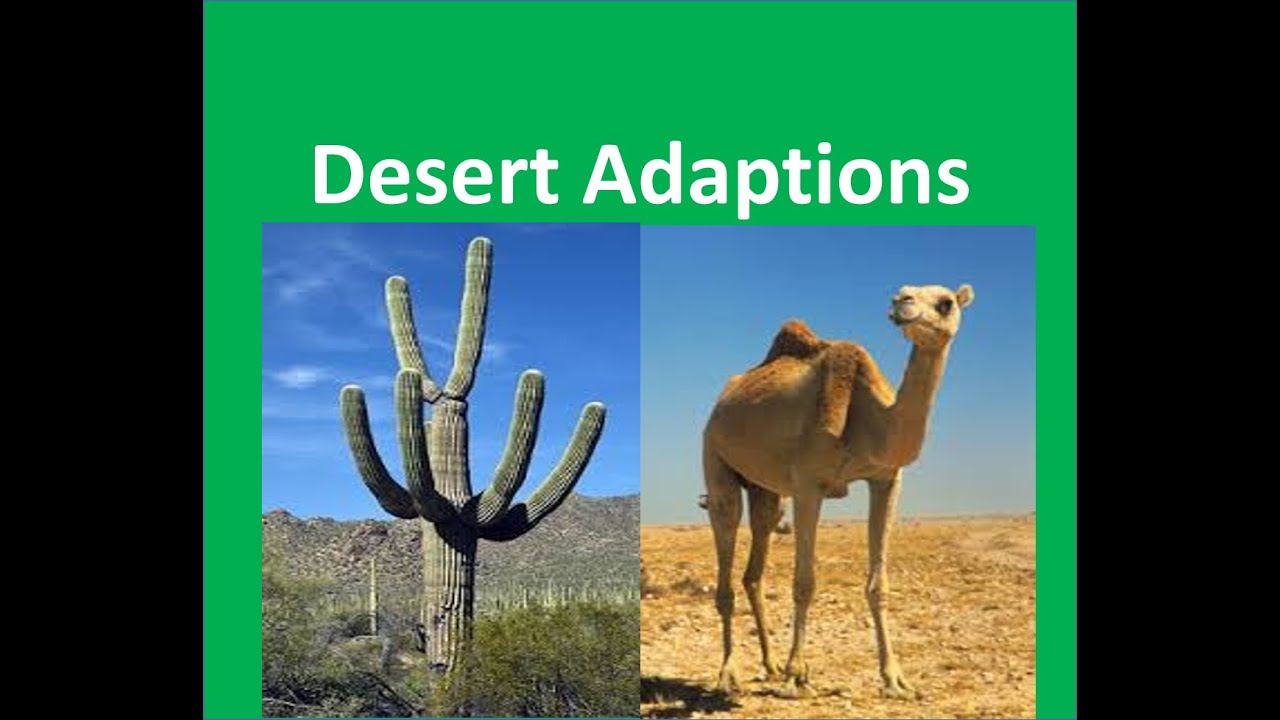
Desert Plants And Animals Adaptations For Kids Animal Adaptations Desert Animals Adaptations Desert Animals
Rough observation and data collection a clue trail plant keys a story and a smelling game.

Desert adaptations animals and plants. Many have two layers of fur that covers all of their body. This little animal adaptation science reader will help your students learn all about desert animal adaptations in a fun and engaging way. In these pants the stem also performs photosynthesis.
The stems of desert plants also exhibit various specializations that allow them to thrive in harsh desert climates. The print version is black and white so kids can color it and the digital version is in color and includes audio. In the desert the plants are succulent and store water in fleshy leaves stems or roots.
Adaptations in Desert Animals Ground Squirrel Lizard To Avoid Heat Most animals avoid being out in the sun during the hottest part of the day. They have a thick cuticle on stems and leaves which protect from excessive transpiration. Intense solar radiation lashing winds and little moisture ie.
How animals adapt to extremely arid conditions Eg camels. Plant and Animal Adaptations in Hot Deserts. Plant and animal adaptations in the desert.
Stems Perform the Function of Leaves. Animals and plants live in diverse climatic conditions of deserts hot and cold jungles oceans etc. How do plants and animals adapt.
A Adaptations of desert plants and animals- 1. Plants have many adaptations to cope with the lack of water. Nocturnal desert animals keep cool by being active at night whereas some other desert animals get away from the suns heat by digging underground burrows.
Their field activities include. Animals included are an. Desert ecosystem is usually believed to be barren but this fragile ecosystem supports numerous amazing living creatures known for their adaptability.
The root system is highly developed for water absorption. The best and the biggest channel for science videos for kidsFor Kindergartenpreschoolers primary school kids. Since water is so scarce most desert animals get their water from the food they eat.
In the desert many animals are brown to blend into the brownish-red sand and rocks. Long eye lashes hairy ears and closing nostrils help to keep out sand thick eyebrows. Less than 10 inches 25 cm of rainfall create some of the.
Small leaves or spines modified leaves reduce the surface area of the plant ex-posed to the sun. In addition to skin all mammals also have the adaptation of an outer layer offur or hair. Uromastrix hardwickii is reported to possess hygroscopic skin that absorbs water like blotting paper.
Desert Plant Adaptations A taprootallows the tree to access water deep underground A waxy coatingon leaves prevents water loss through transpiration by sealing water inside Spines or fuzzact like sunscreen protecting the plants exterior surfaces from the sun. In these pants the stem also performs photosynthesis. Many mammals reptiles and amphibians live in burrows to escape the intense desert heat.
Deserts where the environment is generally hot and extremely dry provide many striking examples of how plants and animals are adapted to their surroundings. Plants and animals living in the desert need special adaptations to survive in the harsh environment. In the desert the plants are succulent and store water in fleshy leaves stems or roots.
Stem Adaptations in Desert Plants. Other common adaptations seen in desert animals include big ears light-colored coats humps to store fat and adaptations that help conserve water. Protection of eye ear and nostril against the sand is an important adaptation.
Rodents also plug the entrance of their burrows to keep the hot and dry winds out. N octurnal desert animals keep cool by being active at night whereas some other desert animals get away from the suns heat by digging underground burrows. The root system is highly developed for water absorption.
Burrows of kangaroo rat penetrate 50-65 cm below the surface. To survive in the mojave desert the plants and animals here have to adapt themselves to some harsh abiotic factors that exist here. Animals that live in deserts include lizards geckos toads jackrabbits camels snakes spiders and meerkats.
Full answer is here. Other common adaptations seen in desert animals include big ears light-colored coats humps to store fat and adaptations that help conserve water. The desert biome poses adverse conditions which requires certain adaptations on the part of desert animals and plants to fulfill their basic needs.
Desert plants have several types of adaptations that help them conserve water. Desert snakes and lizards hibernate 05 m or more in sand under rocks or in burrows of other animals. A Adaptations of desert plants and animals- 1.
Adaptations afford the organism a better chance to survive in its surroundings. To survive desert plants have adapted to the extremes of heat and aridity by using both physical and behavioral mechanisms much like desert animalsPhreatophytes are plants that have adapted to arid environments by growing extremely long roots allowing them to acquire moisture at or near the water table. An adaptation can also be behavioral affecting the way an organism responds to its environment.
An example of a structural adaptation is the way some plants have adapted to life in dry hot deserts. Stems of most cacti and other succulents are thick and fleshy. Some ants and crickets burrow deeply into the ground.
Such stems hold moisture that helps the plant survive drought. The two main adaptations that desert animals must make are how to deal with lack of water and how to deal with extremes in temperature. Succulent plants seeds or the blood and body tissues of their prey.
Thick and Fleshy Stems. Interesting forms of these interactions include herbivory pollination seed dispersal and seed predation. In classroom activities students take on the identity of.
The leaves of many desert plants have adapted to become spines. Other common adaptations seen in desert. A leathery or waxy coating on the leaves and stems reduces evaporation.
Thick stems or other plant parts provide water storage space. They have a thick cuticle on stems and leaves which protect from excessive transpiration. Mammals are endotherms or warm-blooded meaning they generate their own heat.

Australian Biomes Aminal And Plant Adaptation 4 Biomes Teach In A Box Biomes Plant Adaptations Australian Animals

Habitat Project In 2022 Habitats Projects Habitats Fun Science
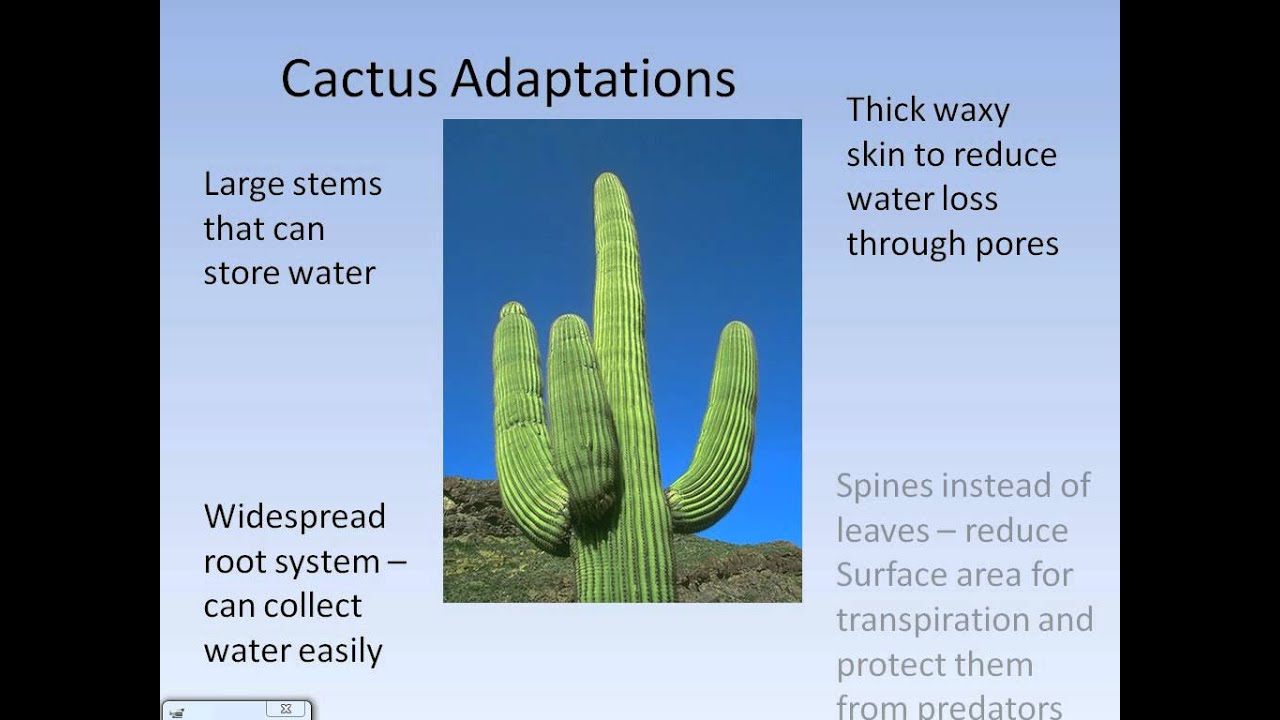
Extreme Environments Desert Climate And Adaptations Avi Plant Adaptations Desert Climate Cactus Plants

Desert Adaptations Small Leaves Or Spines On Desert Plantsconserve Water Thick Waxy Skin Holds In Water Root Plant Adaptations Desert Adaptations Adaptations

Life Science Adopt A Desert Critter Desert Animals Desert Biome Desert Life

Desert Animal Adaptations Science Reader Distance Learning Google Classroom Desert Animals Adaptations Desert Animals Animal Adaptations

Gallery Of Full Sized Full Color Art For Licensing Biomes Desert Animals Mojave Desert Desert Plants

Desert Bingo Picture Desert Animals And Plants Desert Animals Desert Biome

Komentar
Posting Komentar